Carp pituitary extract, graded by the gland
Acetone-dried pituitary glands of mature common carp: 300–400 glands per gram, protein 90% or higher, sealed in 1 g vials, 10 vials per box. Injected at 2–5 mg per kg to induce spawning in carp, 4–8 mg per kg for catfish. Every batch ships with a COA and MSDS; price depends on quantity and destination.
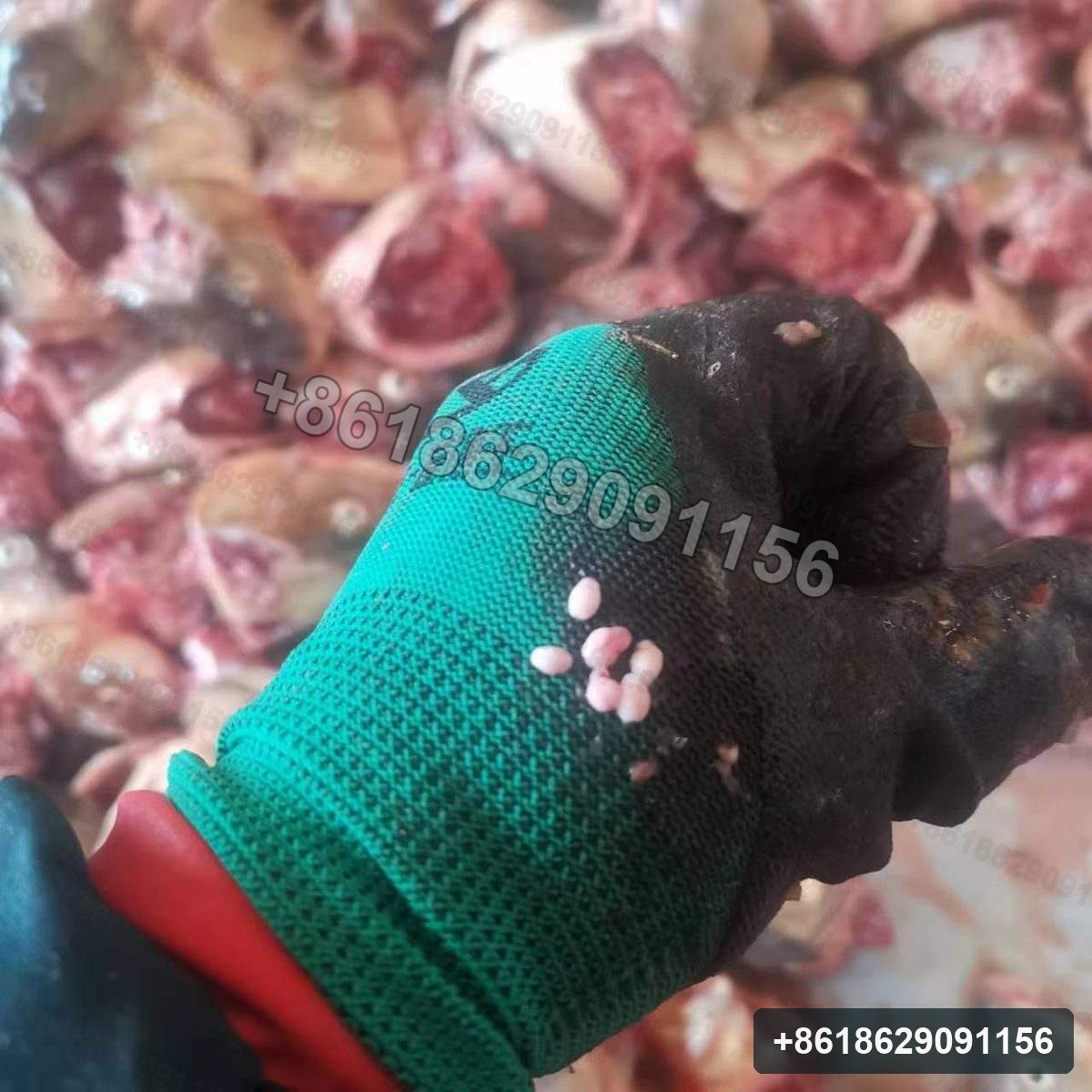
One gland at a time, nothing reconstructed
Every gram of this extract is the dried pituitary tissue of sexually mature common carp, selected at the point in the reproductive cycle when cranial gonadotropin activity is at its highest. Nothing is blended, diluted or reconstituted.
Because raw material is taken exclusively from fish at peak GTH activity, hormonal potency per unit is as high as the species allows. Each batch is handled and inspected at gland level — there is no machine sorting anywhere in the line.
When a spawn night goes wrong, it is usually the dose or the interval between injections, not the label. The guides below deal with both.
| Product | Carp pituitary extract — hypophysis sicca |
|---|---|
| Species | Common carp, Cyprinus carpio |
| Source | Sexually mature fish, 2–3 kg, at peak GTH activity |
| Form | Acetone-dried granules, pale cream, no excipients |
| Yield | Approx. 2.5 mg per gland; 300–400 glands per gram |
| Potency | Biological activity verified before release |
| Packaging | Sealed 1 g vial, 10 vials per box |
| Shelf life | 24 months, sealed, dry, away from light |
| Documents | Batch COA, MSDS, packing list, commercial invoice |
| Price | On request — quantity and destination |
Sixty to a hundred tonnes of carp for every hundred grams
A single mature carp carries one pituitary gland of about 2.5 mg. The arithmetic that follows is why this material is scarce, and why quantity has to be planned rather than ordered off a shelf.
One gram of finished extract represents 300 to 400 glands — and therefore 300 to 400 fish. A 100 g batch draws on 30,000 to 40,000 fish. Across a season, that is roughly 60 to 100 tonnes of mature carp passing through the line for every 100 g of extract produced.
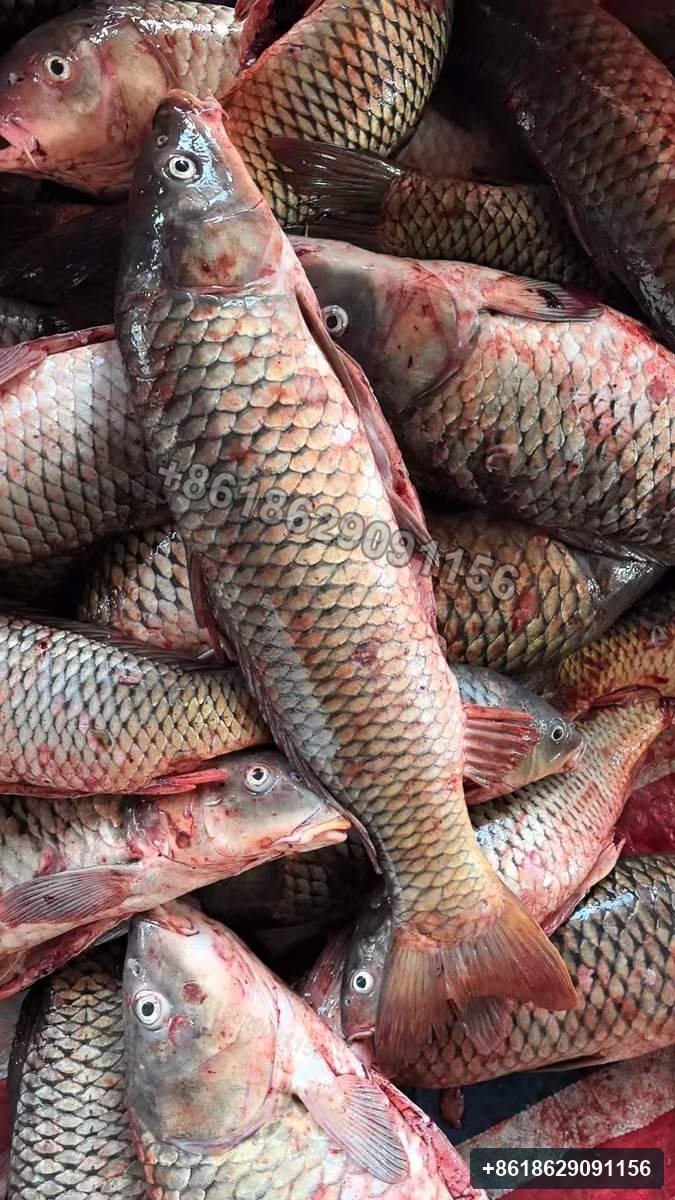
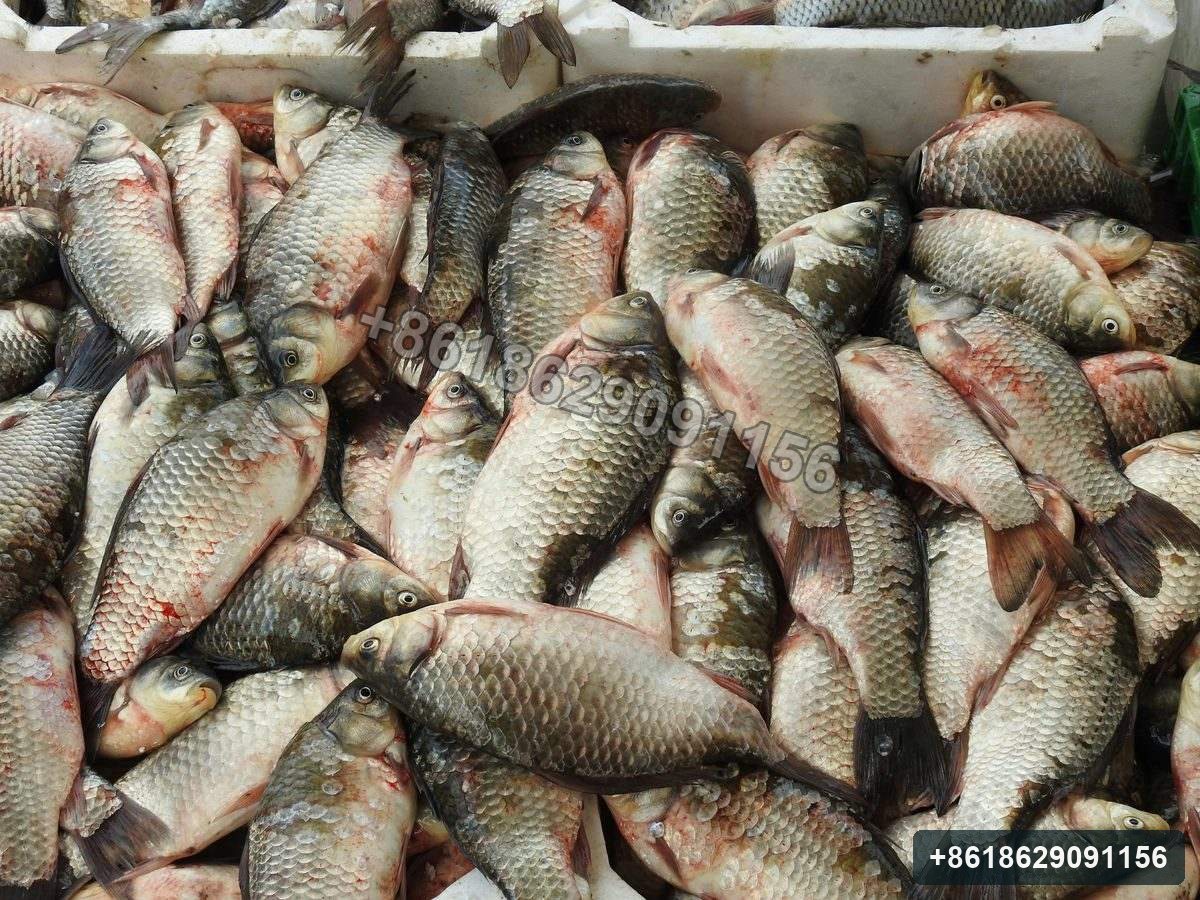
Fish are selected at 2–3 kg, healthy and sexually mature, and taken only at the reproductive stage when cranial gonadotropin activity peaks. Anything below that standard never enters production.
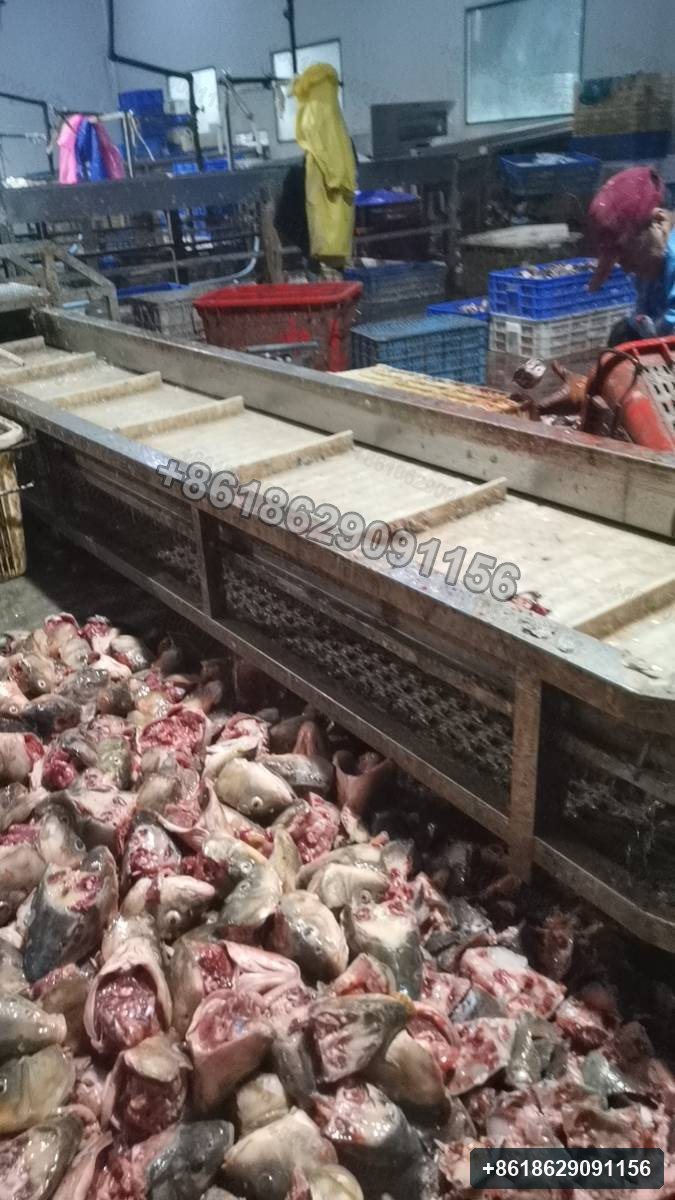
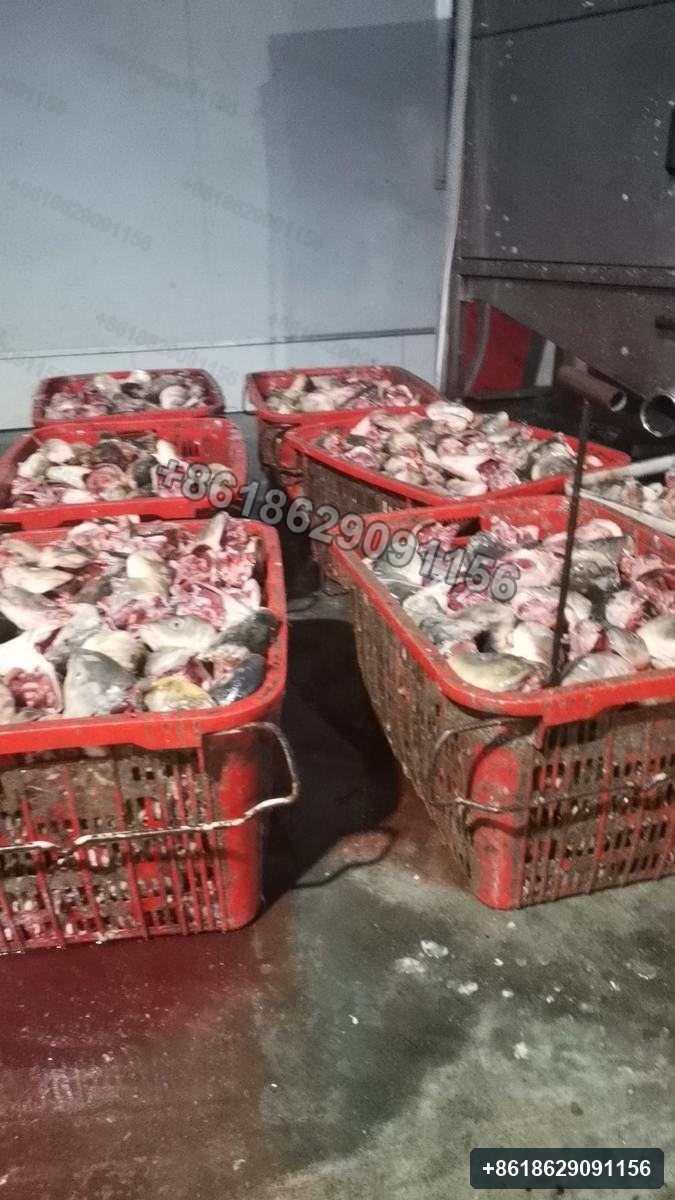
Raw material comes from licensed processing plants where the fish is already destined for the food chain. The gland is a by-product of that flow, which is the only reason the supply economics work at this scale.
That is the part I cannot change. The fish have to be there, and they have to be in season.
The gland is not where most people look for it
In the carp the pituitary sits in a shallow fossa at the suture of the anterior ear bones, not embedded in the sphenoid body as in many other teleosts. That single anatomical difference dictates the entire extraction method.
- A shallow fossa at the ear-bone suture The gland rests in a depression at the suture of the anterior ear bones rather than being embedded in the sphenoid.
- The ventral window A longitudinal incision from the mandible, excision of the parasphenoid bone, and careful reflection of the meninges exposes the gland without disturbing surrounding tissue.
- Why the ventral route matters It preserves the structural integrity of the fish head, so the head still enters the food chain as a by-product. That by-product value is what keeps raw material supply viable.
- 100% manual micro-extraction No mechanical or automated substitute exists for this step. Every gland is lifted out by hand and trimmed before it reaches acetone.
Glands enter acetone within ten seconds of harvest. Dehydration and defatting begin immediately, locking hormonal activity in before protein degradation can start. This is the single step most often done badly elsewhere.
From live carp to a sealed vial
-
Step 01
Selection
2–3 kg healthy, sexually mature carp at peak GTH activity, from licensed processing plants.
-
Step 02
Micro-extraction
Ventral window opened, parasphenoid excised, gland lifted out by hand and trimmed clean.
-
Step 03
Acetone fixation
Immersed within 10 seconds of harvest, dehydrated and defatted to a stable granule.
-
Step 04
Grading & packing
Inspected gland by gland, weighed into sealed 1 g vials, boxed in tens, activity verified before release.
The constraint is hands, not demand
Two things cap what we can ship in a season: trained hands and the order book. Plan around both.
Technical library: 43 sources, one index
Dose ranges by species, acetone drying and storage, INAD 8391 status, and what the CPE versus Ovaprim trials actually found. Free PDF.
A trade without successors
The process depends on a highly skilled manual workforce, and the industry is running short of it. Younger workers are not entering the trade. Our senior technicians bring decades of hands-on experience — experience that cannot be bought, automated or hurried.
Output is allocated, not stocked
Because the work is labour-intensive, annual production capacity is inherently limited. Output is allocated strictly on an order basis: first confirmed, first allocated. Advance confirmation and quantity planning are what secure your allocation and your lead time.
Verified before release
Every batch is individually handled and visually inspected at gland level. No machine sorting, no bulk blending, no substitution from a different season.
Biological activity is checked before a batch is released. If it fails, the batch stays in the plant; it is not sold under a different label.
Ten frames, from raw carp to sealed vial
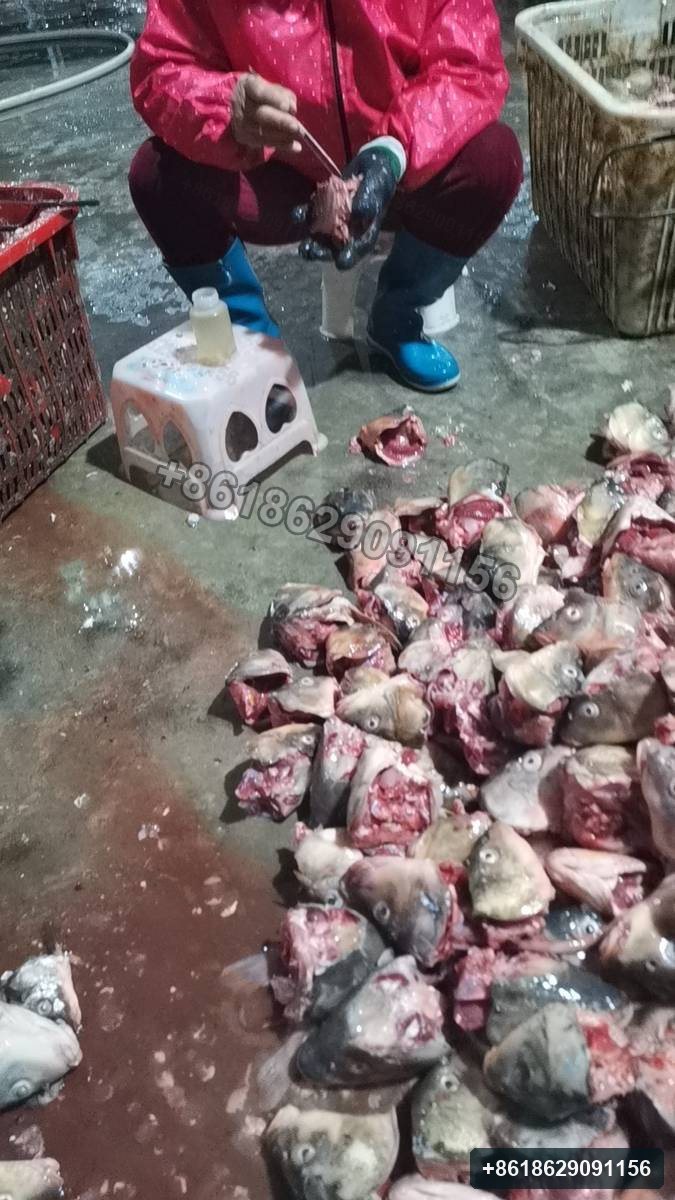
Every frame was shot on the line that supplies this material — no stock photography. Tap any tile to open it full size.
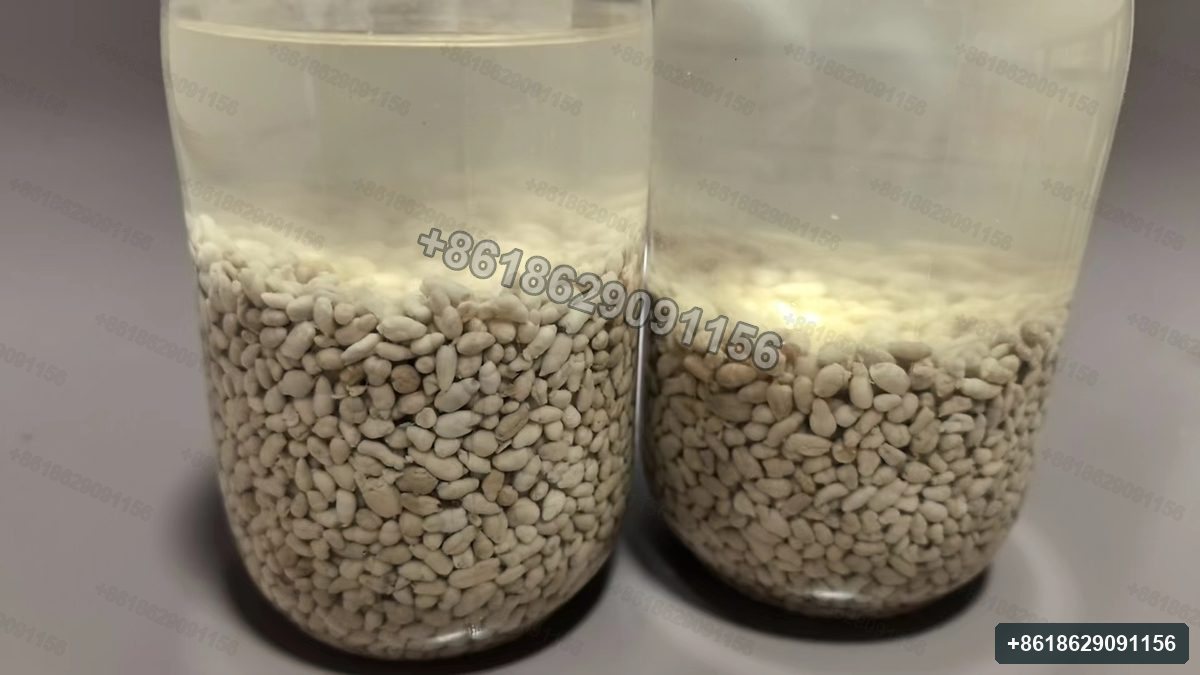
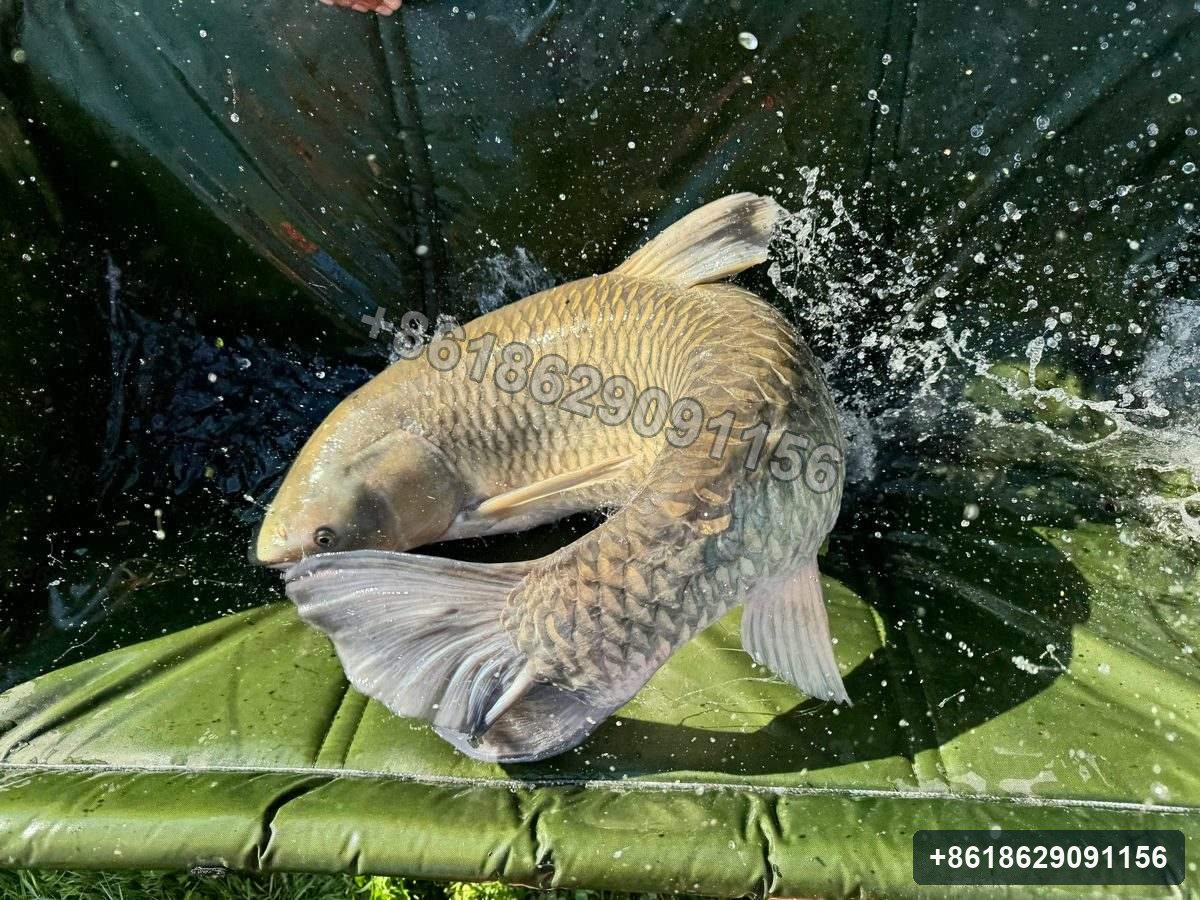
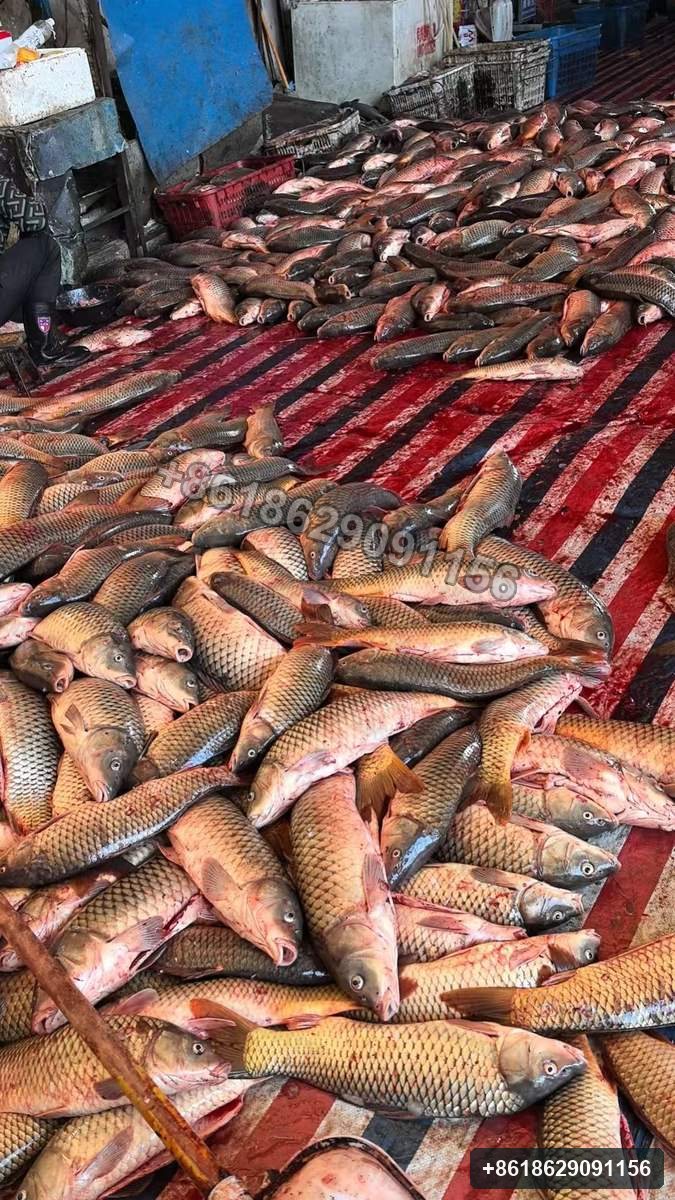
Four clips from a working batch
Shot on the processing floor. No stock footage, no staging.
Who you are buying from
Registered in Xi'an. You deal with me, Jeff, directly — no trading desk in between.
- Company
- Shaanxi Naturalive Biotechnology Co., Ltd.
陕西纳特莱夫生物科技有限公司 - Credit code
- 91610131MACTHD1D6R
- Registered
- 30 August 2023
- Address
- Jinye Shidai A3-404, Jinye Road, High-tech Zone, Xi'an, Shaanxi, China
- Contact
- Jeff Liu · +86 186 2909 1156
Where the numbers on this site come from
I did not invent the dosing ranges or the two-injection schedule. These are the four public documents I keep going back to.
Why common carp is the donor fish
Chaudhuri and Singh's field manual notes that common carp stays mature almost year-round, which is why it is the dependable donor for gland collection. It also records glands going straight into absolute alcohol to strip water and fat, and a first dose of 3–4 mg/kg for females.
Acetone-dried, dosed by body weight
The FAO broodstock manual recommends pituitary that is acetone-dried and defatted in chemically pure acetone — the same preparation used here. It puts the routine female dose at 3–6 mg/kg, re-checked against a trial batch at the start of each campaign, with 10–20% more for heavy-bodied females.
Why two injections, not one
Levavi-Zermonsky and colleagues gave carp a priming dose of pituitary extract (0.07 mg cGTH/kg), then a resolving dose 11 hours later (0.35 mg/kg). Only that group ovulated, 2–4 h after the second injection. Fish given just the priming or just the resolving dose did not.
What one dose did at 22 °C
Nica et al. injected koi carp once with 3 mg/kg (females) and 2 mg/kg (males) at 22 °C, got ovulation, recorded 7,460 eggs per kg of female body weight, and saw hatching start 72 hours after fertilisation. A useful reminder that the protocol shifts with species and water temperature.
Field guides
Notes from hatchery work — dosing, extract preparation, breeding management. The numbers are checked against the four sources above.
From pond to vial: judging a batch
How the dried gland is made, what the 1 g spec means, and eight checks before you accept delivery.
EvidenceWhat the trials actually show
Dried beat fresh, one dose matched two, donor species mattered. Five results from the literature, including the ones that argue against the supplier.
DosingCarp pituitary dosage: mg per kg & timing
Working dose ranges, the two-injection scheme, intervals by water temperature and how many fish one 1 g vial covers.
TechniqueHow to prepare carp pituitary extract
Weighing, grinding, saline suspension and dosing — and the mistakes that quietly cost a batch its potency.
SeasonInduced breeding with pituitary: full walkthrough
Broodstock selection, priming and resolving injections, ovulation checks, dry stripping and fertilisation.
BuyingHow to buy carp pituitary gland
Documents, shipping, lead time and the five questions worth asking any supplier before you pay.
ComparisonCarp pituitary vs HCG
Dose response, cost per viable fry and the hybrid schemes big hatcheries actually run.
ComparisonCarp pituitary vs Ovaprim
What the published trials show — including the ones where the synthetic product wins — and the four cases where I say use Ovaprim.
RegulatoryIs carp pituitary FDA approved?
No. What INAD #8391 actually is, what it does not cover, and the one question to ask your own authority before importing.
StorageStorage & shelf life: keeping CPE potent
What the 24-month sealed date covers, what ruins an opened vial, and why we ship without ice.
TroubleshootingWhy spawning fails after injection: 7 checks
Ripeness, priming dose, a wet vial, dose basis and timing — rule these out before repeating a cycle.
ImportImporting carp pituitary extract: the paperwork
The four documents we issue, the questions your broker must answer, and a checklist before you pay.
SpeciesCarp pituitary in Clarias hatcheries
Why a carp donor gland is used in catfish work, and where a synthetic hormone is the better tool.
BuyingWhat drives the price per gram
Six cost drivers, why there is no list price, and how to get a quote you can actually compare.
SpeciesKoi spawning injection
Ripeness, measured weight and temperature: what changes when the females are high-value ornamentals.
SpeciesTilapia induced breeding
An honest look at where carp pituitary fits, and why most tilapia programmes do not need it.
SpeciesHypophysation in the major carps
Grass, silver, bighead and black carp: what translates from cyprinid practice and what does not.
ProcessWhy acetone drying
How removing water preserves the gland, and four preparation forms compared honestly.
QualityWhy batches vary
Donor maturity, species and collection speed: the largest source of variation in whole gland.
DocumentsReading a batch COA
Match the batch number, read the specification lines, and what a COA does not certify.
EvidenceWhy there is no IU figure
Whole gland is not a purified hormone: what potency can and cannot be stated honestly.
TechniqueThe two-injection scheme
What the priming shot does, why temperature sets the interval, and how to log it.
TechniqueChecking broodstock ripeness
External checks, biopsy where protocol allows, and splitting an uneven cohort.
TechniqueTiming the ovulation check
The window between ripe and overripe, and why a late check costs the round.
ProcurementVetting a supplier
Batch COA, vial seals, packing and the document set: a buyer's qualification checklist.
SpeciesExtract for fish: where it fits
Why cyprinids are the default, and the cases where I would tell you to use something else.
TerminologyCPE and hypophysis sicca
Three names on RFQs, what they point to, and what none of them actually certifies.
TechniqueHypophysation, step by step
Six steps from ripeness check to stripping, and the one-page record to keep.
TechniqueTemperature and latency
Why the interval moves with your water, what to log, and why there is no hour table.
Send your address, get the total
Fill this in and it opens WhatsApp with everything already written. I reply within 12 hours with the delivered price and the lead time for your quantity.
- Delivered total against your address, not a list price
- Batch COA, MSDS, packing list and invoice with every order
- Allocation confirmed on a first-come basis — plan ahead in season
The questions that come up most
Short answers, written the way they would be given on the phone.
How do I get a price?
Send your delivery address and the quantity you need on WhatsApp. Price depends on quantity and destination, so I quote the delivered total rather than a list price. Reply usually within 12 hours.
How many fish does one gram represent?
One mature carp carries a single pituitary gland of about 2.5 mg, so one gram of extract represents roughly 300 to 400 glands, and therefore 300 to 400 fish. A 100 g batch draws on 30,000 to 40,000 fish.
Why is output limited?
Extraction is 100% manual with no mechanical substitute. Skilled technicians are in short supply as younger workers do not enter the trade, so annual capacity is inherently limited. Output is allocated strictly on an order basis, first confirmed first allocated.
Which documents come with the shipment?
Batch COA, MSDS, packing list and commercial invoice with every order. Biological activity is verified before the batch is released.